


Making Better Decisions With Customer Feedback
Learn how conversations, support messages and thoughtful follow-up can reveal practical ways to improve a customer experience.


Bangalore is one of the most connected cities in India, but that does not make it an easy place to market a business. Customers here are used to comparing options on their phones in seconds, they switch between several languages in a single day, and they often move across the city for work while living somewhere else entirely. A campaign that works in a smaller town can fall flat in Bengaluru simply because it ignores how people here search, compare and decide.
Our services cover the usual channels, from websites and search to social media and video. Before any of them, though, it helps to understand a few habits that shape almost every project we see in the city.
Few people search for "a dentist in Bangalore". They search for a dentist in HSR Layout, a play school near Whitefield or a bakery that delivers to Indiranagar. Long commutes and heavy traffic mean that distance matters more than in most cities, and customers are often unwilling to cross town for a service they can get closer to home. For local businesses this changes the plan: a listing with the correct area name, a map pin that points to the right gate, opening hours that are actually kept, and pages that mention the localities you really serve will usually do more than a broad city-wide campaign.

It also affects advertising. Location targeting can be narrowed to a few kilometres around a clinic, store or project site, which keeps budgets from leaking to people who will never make the trip. For businesses with several branches, a separate page and listing for each location is usually worth the effort.
English dominates office life and many websites, but a large share of everyday conversation happens in Kannada, Hindi, Tamil, Telugu and other languages. That does not mean every page needs to be translated. It does mean thinking about where a second language adds trust: a short Kannada line on a shop banner, a Hindi version of an admissions brochure for parents who moved from the north, or social posts that mix languages the way customers actually speak. Professional translation and a native reviewer matter here, because a clumsy machine translation does more harm than none at all.
Most first visits to a small business website in India happen on a phone, often on a mid-range handset and a mobile data connection that is not always fast. Heavy sliders, large videos that start automatically and long forms all cost enquiries. A page that loads quickly, shows the key information near the top and offers a tap-to-call button is worth more than an elaborate design.

Many customers would also rather send a WhatsApp message than fill in a form or wait on hold. A clearly displayed WhatsApp Business number, quick replies for common questions and a team member who answers during business hours can lift conversion noticeably. When payment is part of the process, familiar UPI options reduce hesitation at the last step, especially for first-time buyers.
Demand in Bangalore follows festivals, school terms and the financial year more closely than many businesses expect. Ugadi, Dasara, Diwali and the wedding season bring peaks for retail, jewellery, interiors and events. Admissions enquiries cluster months before the academic year starts, and property searches tend to pick up around festive offers. Campaigns, landing pages and creative work need to be ready several weeks before these moments, not on the day they begin.
If you want to see how these ideas apply to a specific sector, look at our pages for local SEO and e-commerce marketing, or browse our previous work. The sections below explain our services and the way we run a project from the first conversation onward.


How we work with growing businesses
Most businesses that come to us already have a website, a social media page or two, and a feeling that none of it is pulling its weight. The fix is rarely another platform. It is usually a clearer idea of who the customer is, what they need to see before they get in touch, and which few channels can put that in front of them at a cost the business can sustain. This page explains how we approach that work, so you know what a project with us looks like before you ask for a quote.

Before recommending anything, we ask the questions a new customer would ask: what exactly do you sell, who buys it, where do they come from today, and why do some of them choose a competitor instead? We look at your current website, your listings, your social profiles and any campaign data you already have. A dental clinic in Jayanagar, a school preparing for admissions season and a D2C clothing label all need different things, and the discovery is where those differences become obvious.
The output is a one-page summary: the audience we should reach first, the two or three messages that matter most to them, and the gaps that are costing you enquiries right now. If the honest answer is that your site needs fixing before any money goes into ads, we will say so.

Search, social, email and paid ads all send people to the same place. If that page loads slowly on a mid-range phone, hides the price or the phone number, or reads like a brochure, every rupee spent on traffic works harder than it should. That is why our web design and development work starts with the pages your customers actually use: the home page, the main service pages and the contact or booking step.
We plan each page around one job. A service page should explain what is included, who it suits, what it costs or how pricing works, and what happens after the visitor gets in touch. A product page needs clear photos, delivery details and an easy way to ask a question. When those basics are right, the marketing that follows becomes far easier to measure.
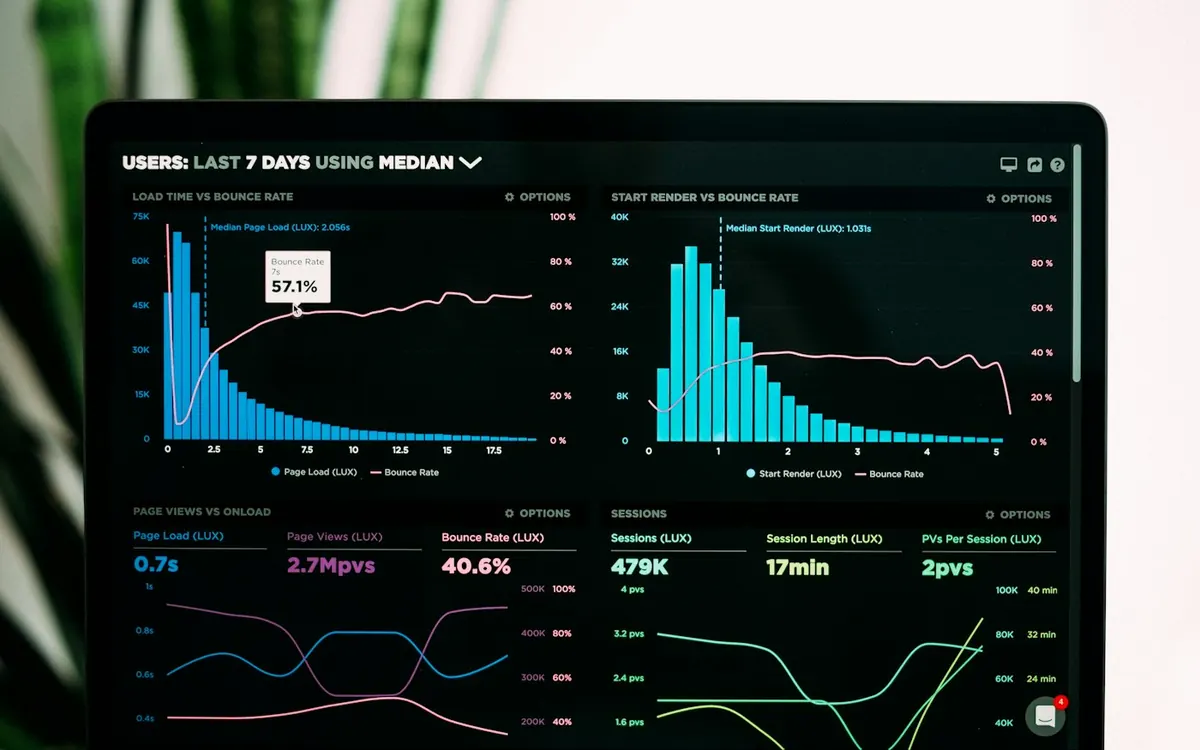
There is no single best channel. Search engine optimization builds steady visibility for people who are already looking for your service, but it takes months to mature. Pay per click campaigns can bring enquiries within days, as long as the budget, keywords and landing page are planned together. Social media works best when someone can post consistently and reply to messages quickly. Email and SMS are often the cheapest way to bring past customers back.
We recommend a mix your team can realistically sustain. For a local business that might be a well-kept Google Business Profile, a handful of strong service pages and a small search campaign. For an e-commerce brand it may be product feeds, remarketing and regular email. Starting small and doing it properly almost always beats trying to be everywhere at once.

Before most people call a clinic, book a contractor or order from a new store, they read reviews. A few unanswered complaints can undo the effect of an expensive campaign. Our online reputation work focuses on simple habits: asking happy customers for a review at the right moment, replying to criticism calmly and in public, correcting outdated listings, and making sure the information people find about you is accurate.
None of this involves fake reviews or hiding genuine feedback. Search platforms penalise that, and customers can usually tell. What works is steady, honest effort that shows people a real business stands behind the name.
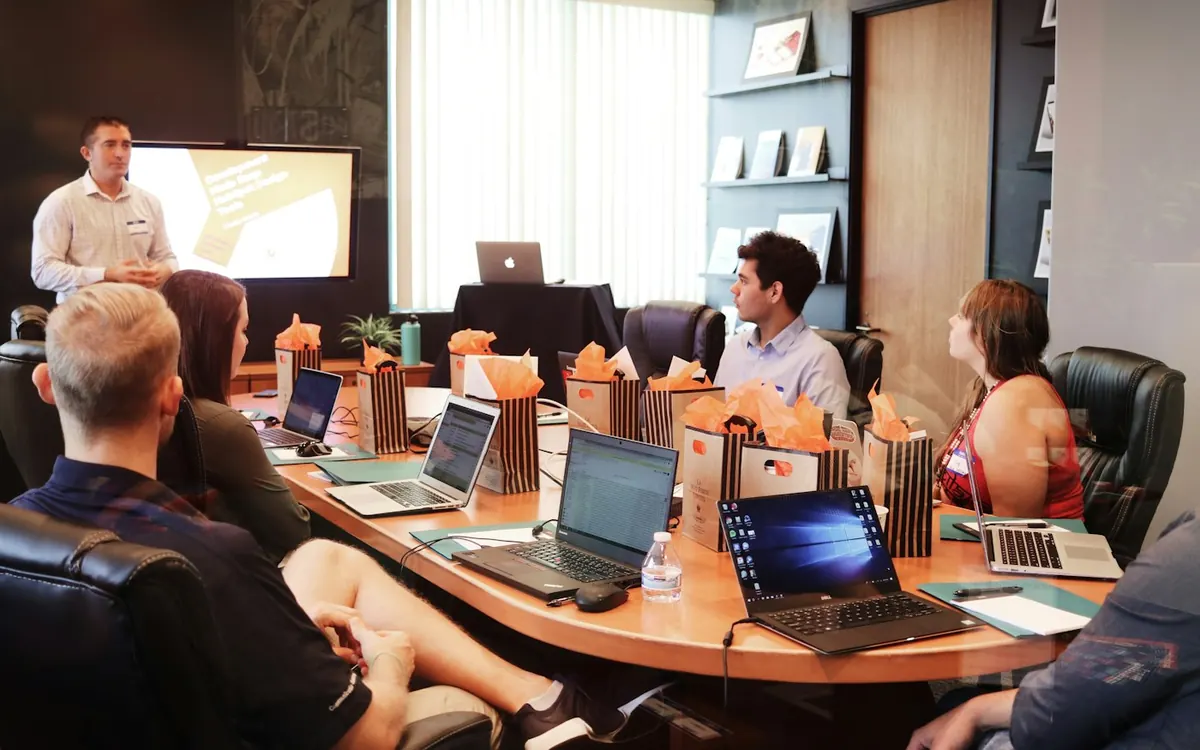
A report full of impressions and follower counts does not tell a business owner much. We report on the numbers that connect to revenue: enquiries and calls, booked appointments or orders, cost per lead, and which pages or campaigns produced them. Alongside the numbers we explain in plain language what we changed, what we learned and what we plan to test next month.
If something is not working, the report says so. Sometimes a keyword is too expensive, an audience is too broad or an offer simply does not interest people. Catching that early and moving the budget elsewhere is a large part of what you are paying an agency for.
The basics stay the same, but each sector has its own rules, seasons and customer worries. These are the areas where we work most often.
Patients look for trust signals: qualified doctors, clear timings, location and honest reviews. Health advertising also has platform rules, so campaigns are written carefully and claims are kept accurate.
Admissions marketing is seasonal. Parents compare facilities, fees and results over several weeks, so content and campaigns need to be ready well before enquiries peak.
Buyers want floor plans, approvals, location details and site-visit options. Good lead handling matters as much as ad spend, because a slow call-back loses a serious buyer.
Product photography, fast checkout and clear return policies come first. After that, search, shopping ads, remarketing and email do most of the heavy lifting.
Salons, restaurants, repair services and shops win on maps and reviews. Consistent name, address and phone details across listings make a visible difference.
Political and personal branding needs a steady voice, quick responses and strict compliance with election and platform rules on advertising.
You do not need a polished brief to start a conversation, but a few notes make the first meeting far more useful, whoever you end up working with:
When you are ready, you can request a quote, look through our previous work or read the blog for practical guides on websites, social media and advertising.

For most small and medium websites, the first meaningful movement in rankings appears after three to six months of consistent work. Competitive keywords in large cities can take longer. Fixing technical problems and improving existing pages usually brings the earliest gains.
Not always. If your current site loads quickly, works well on phones and explains your services clearly, we can improve it step by step. If it is slow, outdated or hard to edit, rebuilding the key pages first usually saves money on every campaign that follows.
It depends on how competitive your keywords are and how much a new customer is worth to you. We usually suggest a modest test budget for the first month, measure the cost per enquiry, and only scale up the campaigns that pay for themselves.
Yes. Domains, hosting, analytics and advertising accounts should be registered in your business name, with us added as users. If you ever change agencies, everything stays with you.
We can, but daily posting is not always necessary. We agree on a schedule that suits your audience and the time your team has for replying to comments and messages, because quick responses matter as much as the posts themselves.
You receive a short monthly report with enquiries, costs and the actions taken, plus a call to discuss the next steps. You can also ask for access to live dashboards at any time.

Learn how conversations, support messages and thoughtful follow-up can reveal practical ways to improve a customer experience.

Plan concise videos that answer one question, show useful details and give viewers a clear next step.

Build a recognizable voice across channels with examples customers can connect with and a publishing rhythm your team can sustain.